Bawah Reserve: Meet The Visionaries Behind Indonesia’s Sustainable Private Island Resort
“Dare to dream” was written discreetly on Bawah Reserve’s homepage when it first launched — three words that were easy to scroll past, until you learn just how literally the team behind this private island in Indonesia’s Anambas archipelago took them.
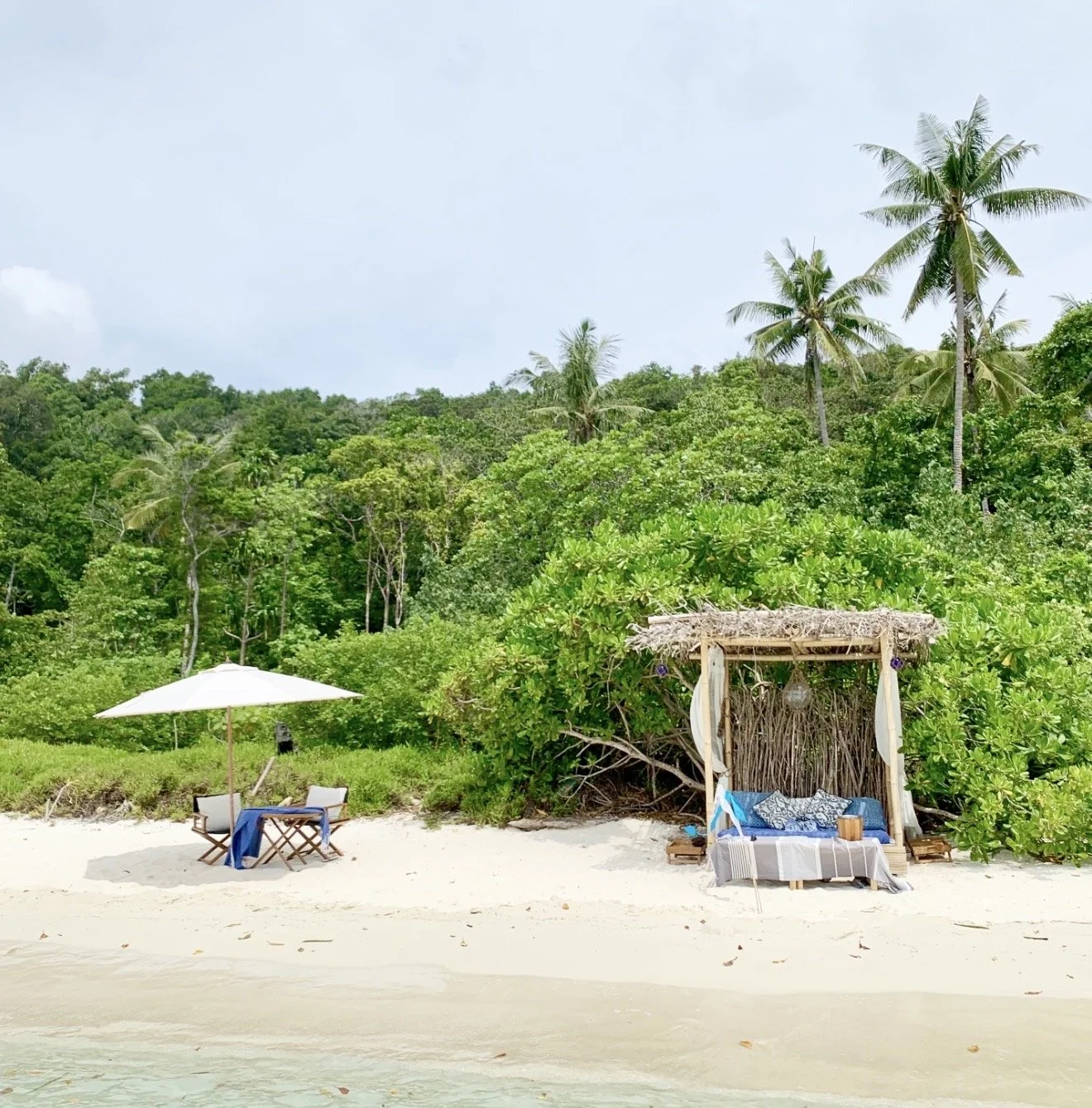
Since opening in 2018, Bawah has drawn rave reviews for its raw, barely-touched beauty. But what makes it remarkable isn’t just how it looks — it’s how it was built: by hand, with no cranes, no heavy machinery, and an obsession with keeping the island exactly (well, almost) as it was found.
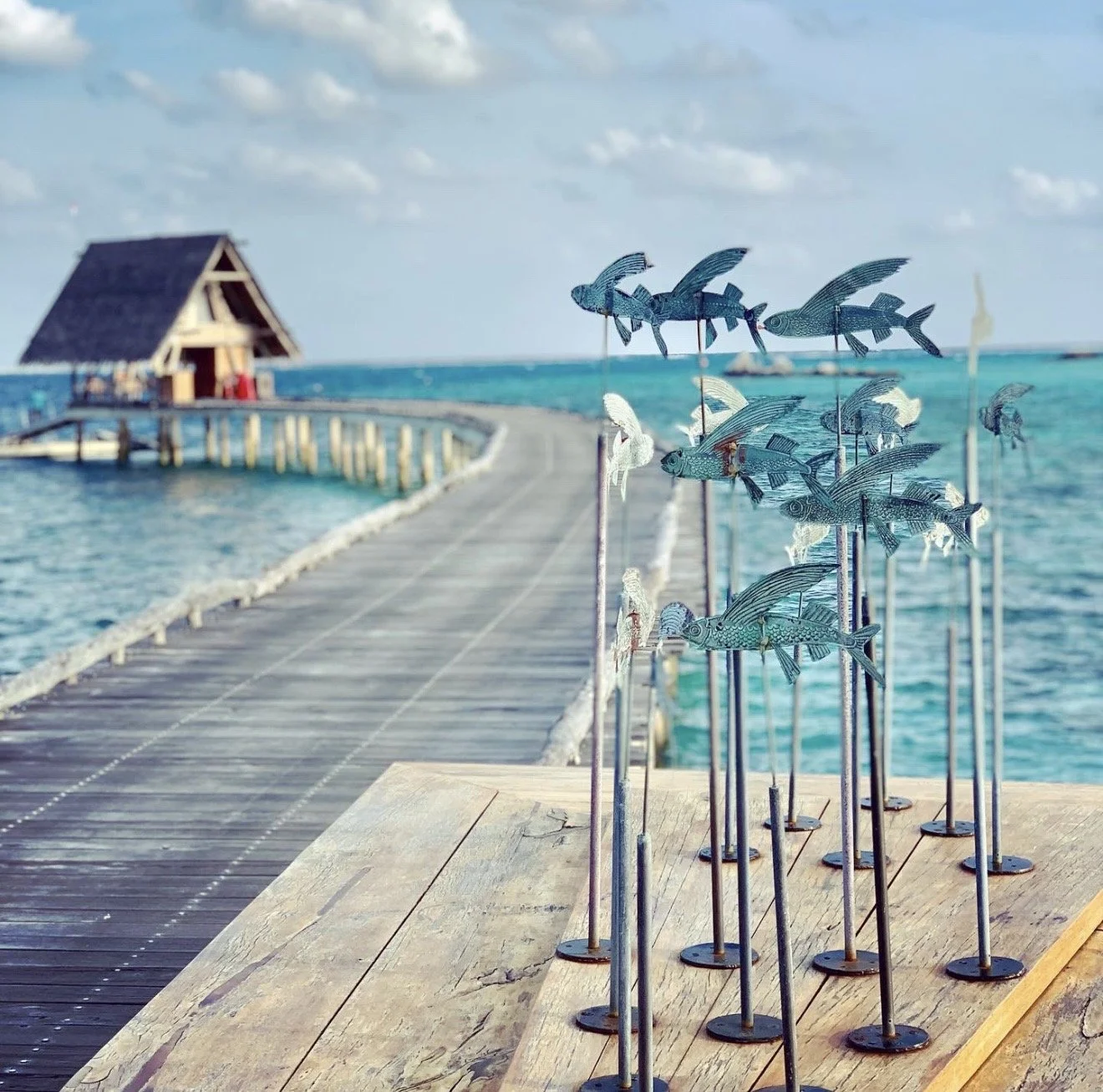
The Bawah Reserve jetty
A Sailing Trip That Changed Everything
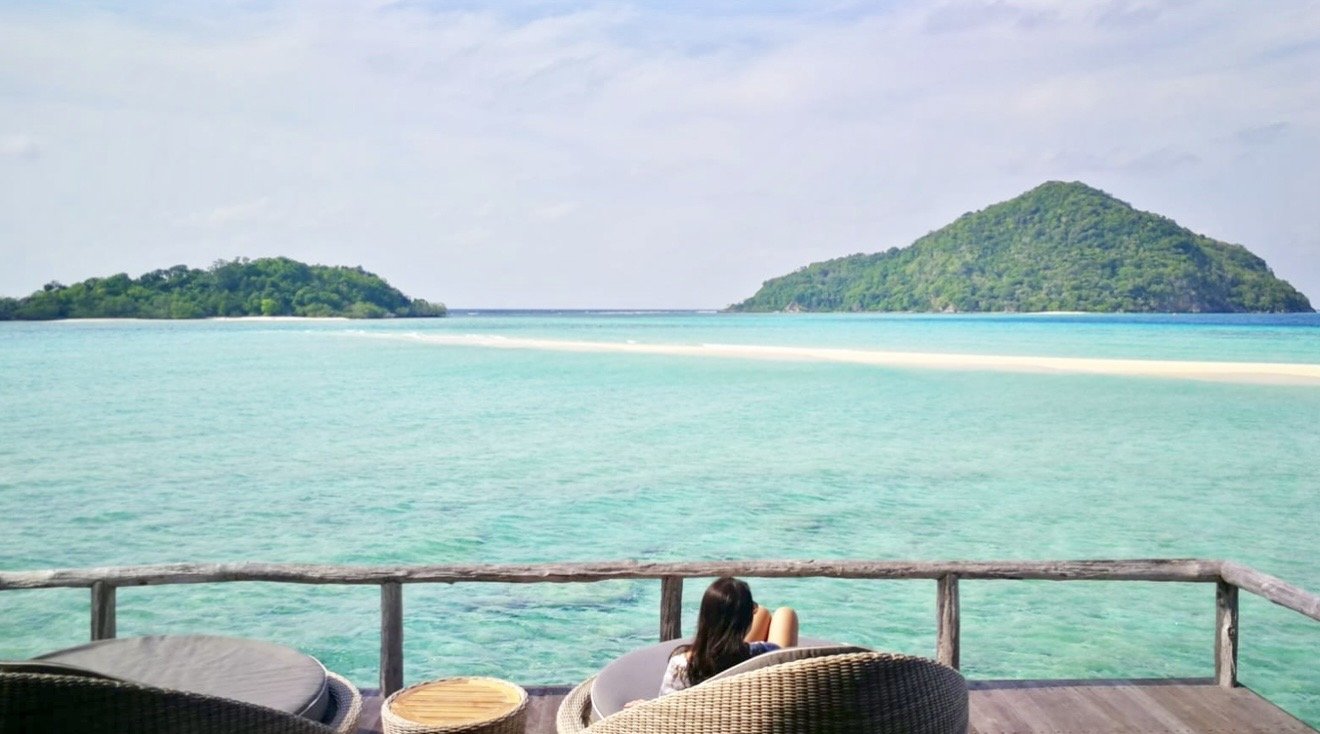
The story starts ten years before the resort ever opened, when Singapore-based shipping executive Tim Hartnoll set off sailing through Indonesia’s remote Anambas islands. A planned day trip turned into a three-day exploration of six tiny islands ringed by sheltering barrier reefs.
“I fell in love with the seclusion and how it felt like a great big playground for marine lovers,” Hartnoll says. “Its untouched beauty makes you want to conserve it.”
When the chance came to buy the islands, he took it — partly to stop illegal dynamite fishing that was destroying the reefs. One island, Bawah, was set aside for the resort. The other five remain untouched.
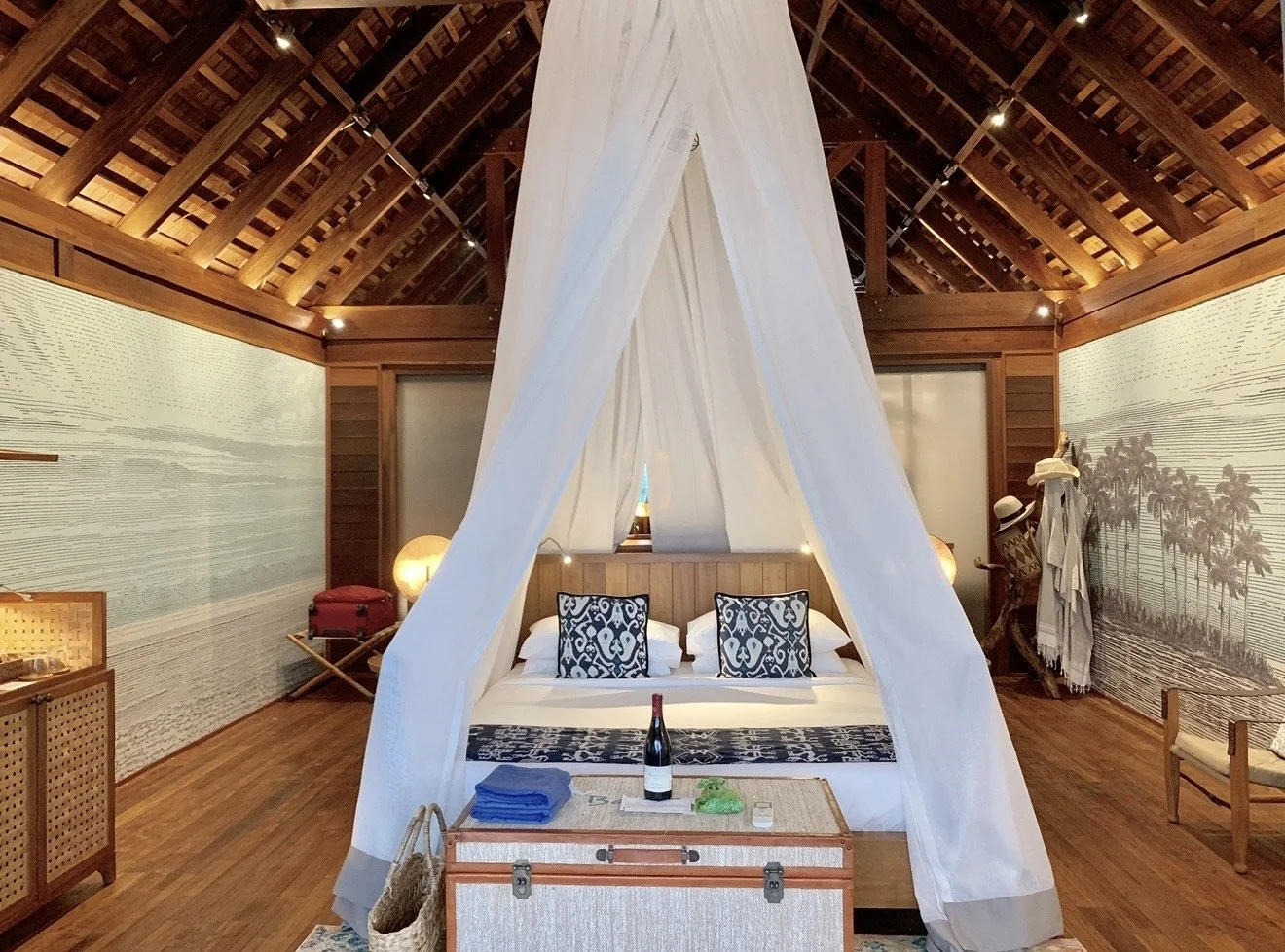
To bring the vision to life, Hartnoll turned to architect Sim Boon Yang, co-founder of Singapore firm Eco-Id. The two clicked instantly. “We set out with a narrative that the island is so beautiful and pristine that you feel like its first discoverer upon arrival,” says Sim.
Building Without a Single Crane
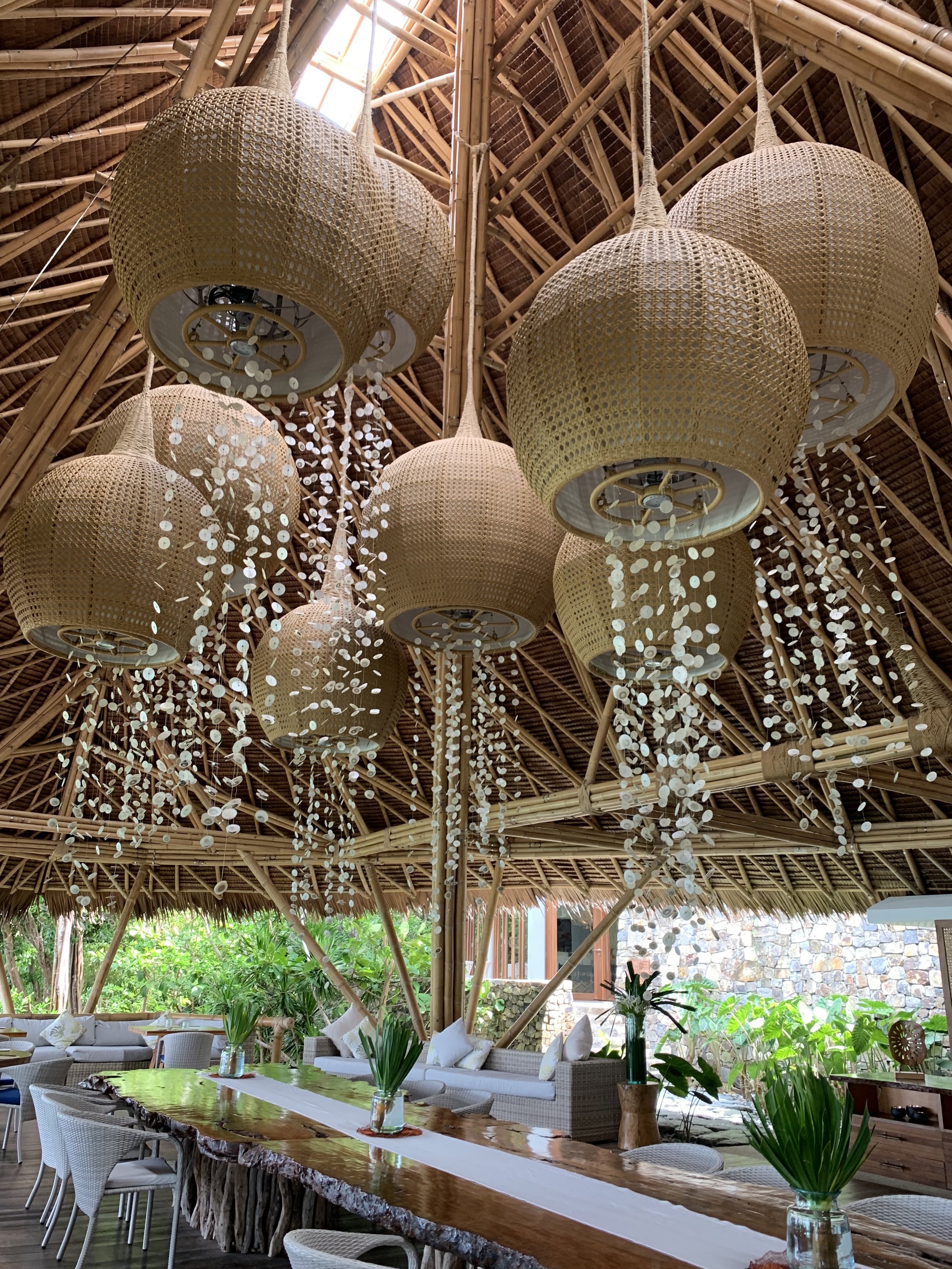
Hartnoll had one non-negotiable: minimal disturbance to the ocean and the terrain. So the team built Bawah entirely by hand — no cranes, no excavators, nothing that could tear up the existing vegetation. During construction, the jungle was screened off so no one could trample through it. Only native plants were used, since they were already adapted to the island.
“That’s why the resort opened looking like it’s been there for many years — the only footprints we made were just to put the buildings there,” says Sim.
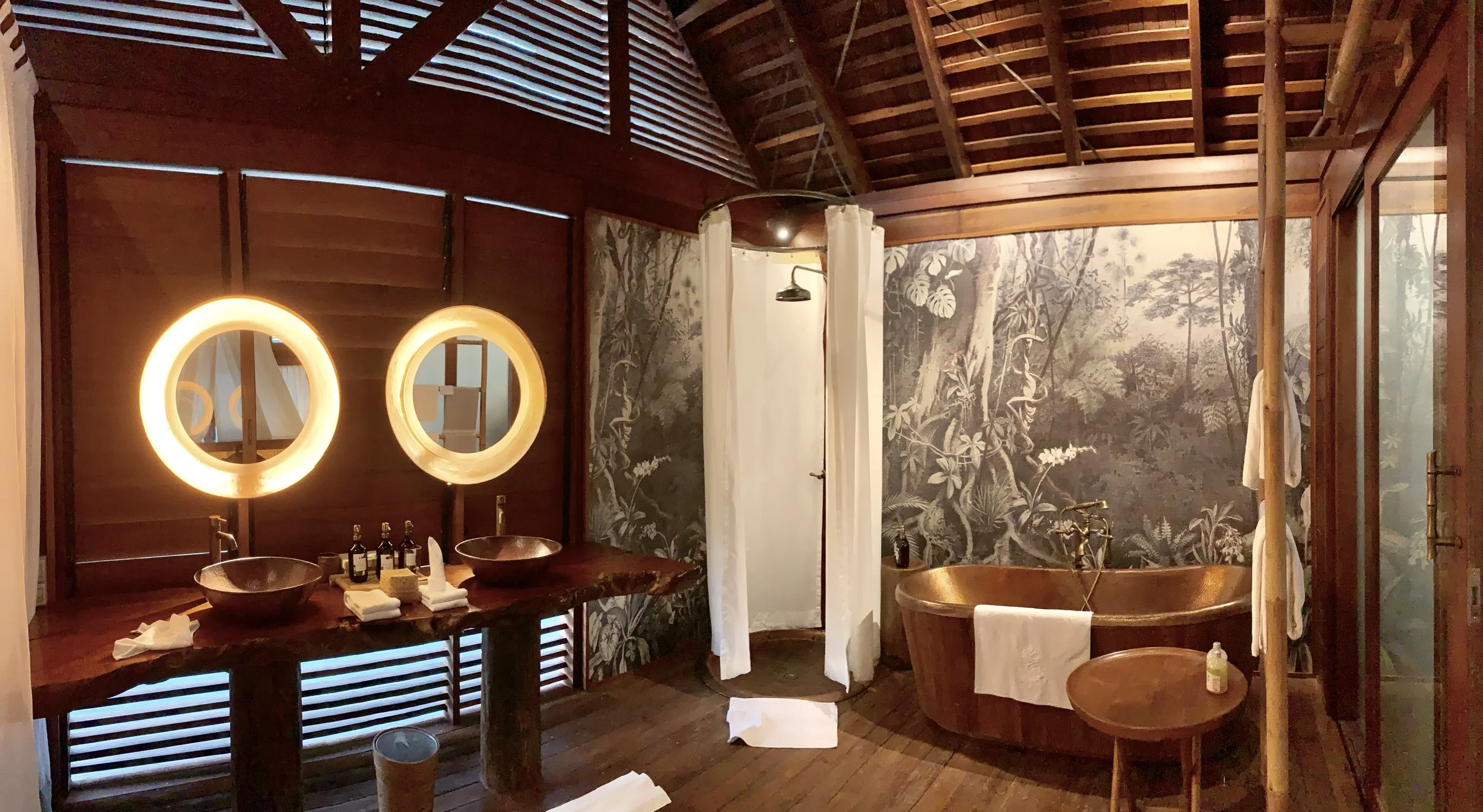
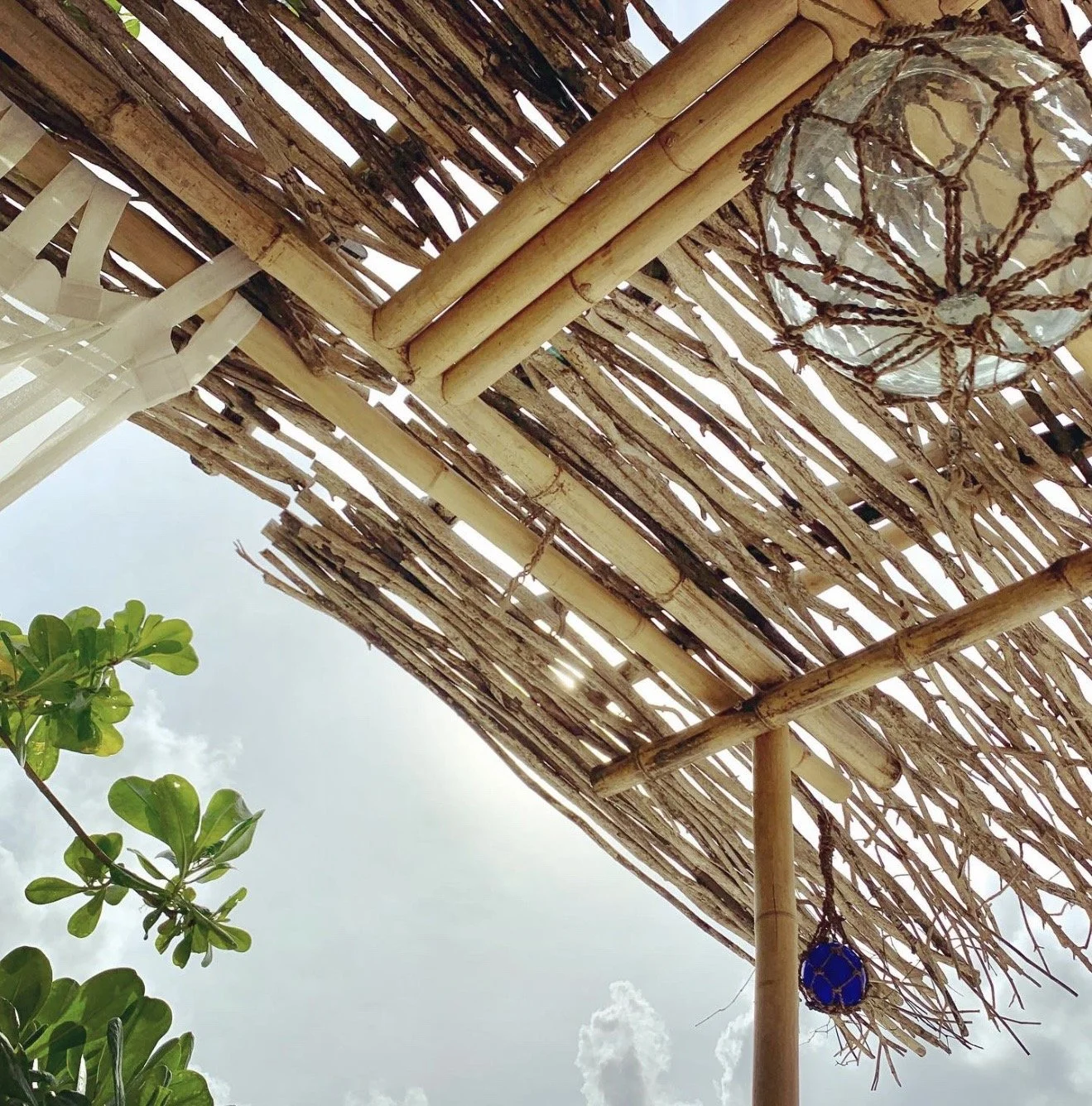
The structures are made almost entirely of bamboo, treated with boric acid to prevent rot and shaped using local craft skills passed down through generations.
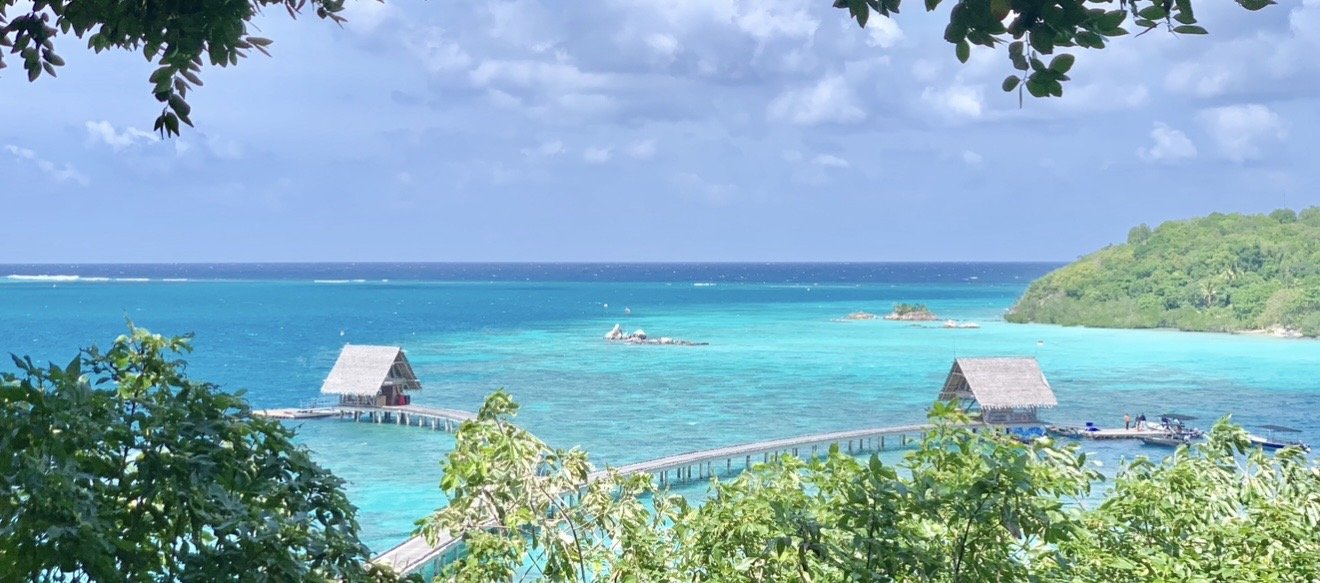
The jetty became an unlikely obsession. Built in a Y-configuration to serve both the seaplane dock and supply boats, it required lifting coral heads one by one to drive the piles, then setting each piece back exactly where it came from. The job fell to local islanders who normally dive for sea cucumbers — among the most skilled divers in the area.
“This was done with so much care that it took us several months to finish building,” says Sim. “Only a property owner like Tim would have the patience and stamina to do it.”
An Island That Gives Back More Than It Takes
The eco-thinking runs through every system on the island. Bawah doesn’t release any treated water into the lagoon — Hartnoll worried that nutrient-rich runoff could trigger algae blooms and damage the coral. Instead, water is harvested, run through reverse osmosis and a five-stage treatment process, then recycled for drinking, flushing and irrigation. Any surplus gets pumped 100 metres up a hill, well away from the lagoon.
Even pest control got a rethink. Rather than fog for mosquitoes — a method that also kills butterflies and other insects, and leaches chemicals into the lagoon — the team designed breeding sites that lure mosquitoes in, then clean out the water before the eggs can hatch.
A Project Built to Outlast Its Builders
It took more than five years and US$30 million to complete Bawah Reserve — far longer and costlier than either Hartnoll or Sim first imagined. The design even accounts for rising sea levels, with platform heights raised to projected future water lines.
Beyond the resort, the Bawah Anambas Foundation works with neighbouring island communities on solid-waste management, English-language education and small farming initiatives, with an ongoing push toward plastic-free waters across the Anambas.
For Hartnoll, it’s been less a business than a calling.
“You’ve got to be a bit crazy to do these projects,” he says. “There were times I wondered why I was doing it. But once we got started, I didn’t want to compromise at all.”
